


12 Everyday Habits That Could Be Making Your Hair Thinner
Finding more hair than usual in your brush or noticing the shower plug filling up can be worrying. For many people, thinning hair seems to appear gradually rather than overnight, making it difficult to pinpoint exactly what's causing it.
While genetics remain the most common reason for hair loss, everyday lifestyle habits can also play an important role in the health of your hair. In some cases, small changes to your routine may help reduce excessive shedding and support healthier hair growth over time.
Here are twelve surprisingly common habits that could be contributing to thinning hair.
1. Not Knowing the Difference Between Normal Shedding and Hair Loss
Before assuming something is wrong, it's worth remembering that losing hair every day is completely normal.
Most people shed between 50 and 100 hairs daily as part of the natural hair growth cycle. New hairs are constantly replacing those that fall out.
The concern begins when shedding becomes noticeably heavier, your parting starts widening, your ponytail feels thinner, or bald patches begin to develop. If these changes persist for several months, it's worth investigating further.
2. Living With Constant Stress
Stress doesn't just affect your mood.
Significant emotional or physical stress can trigger a temporary condition called telogen effluvium, where a larger number of hair follicles enter the resting phase before shedding several months later.
Illness, surgery, bereavement, divorce, job pressures or prolonged anxiety can all contribute. The encouraging news is that stress-related hair loss is often reversible once the underlying cause improves.
3. Crash Dieting
Hair is not essential for survival, so when calorie intake drops dramatically, the body prioritises more important organs.
Rapid weight loss, extreme dieting and restrictive eating plans can reduce the nutrients available to growing hair follicles, sometimes leading to noticeable shedding a few months later.
Slow, sustainable weight loss is generally kinder to both your body and your hair.
4. Missing Key Nutrients
Hair follicles are among the most metabolically active structures in the body, meaning they require a steady supply of nutrients to function normally.
Deficiencies in iron, vitamin D, zinc, folate and certain B vitamins have all been associated with some forms of hair thinning. While supplements aren't necessary for everyone, identifying and correcting genuine deficiencies can make a significant difference.
If you suspect a nutritional deficiency, speak to your GP before starting high-dose supplementation.
5. Not Eating Enough Protein
Hair is made primarily from keratin, a structural protein.
People following restrictive diets or simply not consuming enough protein may notice slower hair growth or increased shedding over time.
Including good-quality protein sources throughout the day can help provide the building blocks needed for healthy hair production.
6. Smoking
Smoking affects far more than your lungs.
Research suggests it may reduce blood flow to hair follicles, increase oxidative stress and contribute to premature ageing throughout the body, including the scalp.
Quitting smoking benefits virtually every aspect of health, and your hair may benefit too.
7. Poor Sleep
Sleep is when much of the body's repair work takes place.
Regularly getting too little sleep may increase stress hormones, disrupt normal biological processes and indirectly affect hair health over time.
Improving sleep quality is one of the simplest lifestyle changes people can make for their overall wellbeing.
8. Wearing Tight Hairstyles Every Day
Constant tension from tight ponytails, braids, buns or hair extensions can eventually damage hair follicles.
Known as traction alopecia, this form of hair loss develops gradually and may become permanent if the pulling continues for many years.
Giving your hair occasional breaks from tight styles can help reduce unnecessary stress on the scalp.
9. Overusing Heat Styling
Hair dryers, straighteners and curling irons aren't usually responsible for hair loss from the follicle itself, but they can weaken the hair shaft.
Repeated heat damage makes hair more brittle, leading to increased breakage that creates the appearance of thinner hair.
Using lower temperatures and heat protection products may help minimise damage.
10. Hormonal Changes
Hormones influence hair growth throughout life.
Pregnancy, childbirth, menopause, thyroid disorders and polycystic ovary syndrome (PCOS) can all alter the hair growth cycle in women.
Men, meanwhile, often experience androgenetic alopecia, commonly known as male pattern baldness, which is strongly influenced by genetics and hormones.
11. Genetics
Sometimes the answer is simply written into your DNA.
Male and female pattern hair loss affects millions of people worldwide and tends to develop gradually over many years. If close family members experienced thinning hair, your own risk is likely to be higher.
Although genetics can't currently be changed, early intervention often produces better long-term outcomes than waiting until significant hair loss has occurred.
12. Ignoring the Problem for Too Long
Many people hope thinning hair will simply stop by itself.
Sometimes it does. Often it doesn't.
The earlier the underlying cause is identified, the more treatment options are usually available. Whether the cause is nutritional, hormonal, medical or genetic, acting sooner rather than later generally offers the best chance of maintaining existing hair.
When Should You See a Doctor?
While gradual thinning is common, certain symptoms deserve medical assessment.
Speak to your GP or a dermatologist if you experience:
- Sudden or severe hair loss.
- Bald patches developing rapidly.
- Hair loss accompanied by pain, redness or scaling.
- Significant shedding following illness that continues for several months.
- Hair thinning alongside fatigue, unexplained weight changes or other symptoms that could suggest an underlying medical condition.
Simple blood tests can sometimes identify treatable causes such as iron deficiency or thyroid disorders.
Supporting Healthy Hair From the Inside
If your thinning hair is linked to nutritional shortfalls or lifestyle factors, improving your diet and supporting your body with targeted nutrition may help create a healthier environment for hair growth.
Unlike basic multivitamins that aim to support general health, specialist hair supplements are formulated specifically with hair follicles in mind.
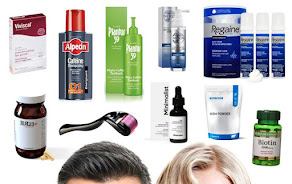
One example is HR23+, a comprehensive hair growth supplement that combines 23 carefully selected vitamins, minerals, amino acids and botanical extracts in a single daily formula. Rather than relying on one or two ingredients, it is designed to support healthy hair growth from multiple nutritional pathways while fitting alongside a balanced diet and healthy lifestyle.
Of course, no supplement can overcome every cause of hair loss. Genetics, medical conditions and hormonal changes may require additional treatment or professional advice. But for many men and women looking to support healthier hair naturally, combining good nutrition, sensible lifestyle habits and a well-formulated hair supplement can be a practical place to start.
Ultimately, healthier hair rarely comes down to one miracle product or one bad habit. It's usually the result of many small factors working together. The good news is that improving those everyday habits doesn't just benefit your hair—it benefits your overall health too.



Post a Comment