


The Hair Loss Survival Kit: 6 Treatments to Help Stop Hair Loss in Men
There is no shortage of hair loss treatments for men. The harder part is knowing which ones are actually worth using.
Search online and you will find everything from £10 miracle shampoos to supplements, scalp oils, laser helmets, prescription drugs and increasingly questionable treatments promoted on social media. Trying everything at once isn't necessarily the answer.
A sensible hair loss routine should cover several bases: support healthy hair growth, keep the scalp in good condition, stimulate the follicles and, where appropriate, use a proven growth treatment.
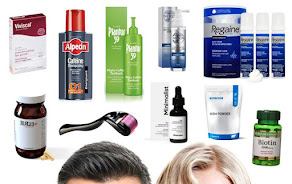
So, if we were putting together the ultimate Hair Loss Survival Kit for men, what would actually go in it?
Here are our six picks.
1. HR23+ Hair Restoration Supplement
We’ll start with the nutritional side of the routine.
HR23+® is a daily hair supplement developed specifically for men and women experiencing hair loss, thinning and poor hair growth. Rather than relying heavily on one fashionable ingredient such as biotin, it combines a broad range of vitamins, minerals, amino acids and botanical ingredients intended to support normal, healthy hair growth.
Supplements aren't magic, and they won't reverse every type of hair loss. But hair is metabolically active tissue, and nutritional support can form a useful part of a wider routine, particularly when shedding, weak growth or dietary factors are involved.
For men who don't want to jump straight to prescription medication, HR23+ also offers a non-prescription option that can sit alongside topical treatments such as minoxidil.
How to use: Take consistently every day according to the product directions. Hair growth is slow, so don't judge any supplement after a couple of weeks.
2. Derma Roller / Microneedling
It might look like an instrument of torture, but the humble derma roller has become one of the more interesting additions to the male hair loss toolkit.
Microneedling involves passing very fine needles over thinning areas of the scalp, creating controlled micro-injuries. This triggers the skin's normal repair response and may help create a more favourable environment for hair growth.
There is also clinical evidence suggesting that microneedling can improve results when combined with minoxidil compared with minoxidil alone, although treatment protocols vary and more research is still needed.
The important bit is not to overdo it. More needles, more pressure and more frequent sessions do not automatically mean more hair. Poor technique can simply leave you with an irritated scalp.
And don't apply minoxidil immediately after deeper microneedling unless you've been specifically advised to do so.
3. Scalp Massage Shower Brush
This is probably the simplest item in the kit.
A silicone scalp massage brush can be used in the shower while shampooing to gently work across the scalp and through the hair.
Don't expect scalp massage alone to regrow a receding hairline. Evidence for massage as a meaningful treatment for male pattern baldness is limited. That's not really why we'd include one.
Its main value is scalp care.
It can help distribute shampoo, loosen product build-up and make it easier to thoroughly cleanse the scalp. And frankly, it feels pretty good too.
Just use it gently. Your scalp isn't a kitchen floor.
4. Nizoral (Ketoconazole) Shampoo
Nizoral is primarily an anti-dandruff treatment containing ketoconazole, an antifungal medication.
So why does it appear in so many men's hair loss routines?
Because scalp health matters.
Dandruff, seborrhoeic dermatitis, itching and inflammation can make an already difficult hair-loss situation worse. Ketoconazole can be particularly useful for men who have an oily, flaky or irritated scalp alongside their thinning.
There has also been research into ketoconazole and androgen-related hair loss, but it shouldn't be presented as an alternative to established treatments such as minoxidil or finasteride. Think of it primarily as a scalp treatment that complements the rest of the routine.
It also doesn't need to replace your normal shampoo completely. Follow the instructions for the particular strength you're using.
5. Minoxidil Foam
If there is one heavyweight in our non-prescription survival kit, it's minoxidil.
Topical minoxidil is one of the best-established treatments available for male pattern hair loss and is widely available in 5% formulations for men.
It works differently from supplements, shampoos and scalp treatments by acting directly on the hair-growth cycle. With continued use, it can help some men maintain existing hair and stimulate thicker growth, particularly around thinning areas of the scalp.
There are two things every new user should know.
First, results take time. Think in months, not weeks.
Second, some users experience increased shedding when they first start treatment. That can understandably cause panic, but an early shed doesn't necessarily mean the treatment is making your hair loss worse.
The bigger drawback is commitment. Minoxidil isn't generally something you use for three months, achieve your result and put back in the bathroom cabinet. Benefits usually depend on continued treatment.
6. Saw Palmetto Shampoo
Finally, we'd throw in a good everyday shampoo.
Saw palmetto is commonly found in men's hair-loss products because of its proposed interaction with pathways involved in DHT, the androgen strongly associated with male pattern baldness.
However, this is where expectations need to remain realistic.
A saw palmetto shampoo is not a substitute for finasteride, and shampoo remains on the scalp for a relatively short period before being washed away. Claims that a shampoo can simply "block DHT" and reverse male pattern baldness should therefore be treated cautiously.
What it can provide is a convenient cleansing shampoo formulated specifically with thinning hair in mind.
Used alongside Nizoral on different wash days, it gives you a straightforward shampoo rotation without pretending that shampoo alone is going to rescue a Norwood 5.

Putting the Hair Loss Survival Kit Together
The strength of this routine isn't any single bottle or gadget. It's that each component has a different job.
HR23+ provides nutritional hair support. Minoxidil is the principal topical growth treatment. Microneedling provides another form of follicular stimulation. Nizoral helps manage scalp conditions such as dandruff. The scalp brush helps with cleansing and scalp care, while a saw palmetto shampoo provides an everyday thinning-hair shampoo between ketoconazole washes.
You don't necessarily need all six, either.
Hair loss treatments should be chosen according to why you're losing your hair. A man with straightforward androgenetic alopecia has different needs from someone suddenly shedding hair after illness, severe stress, rapid weight loss or a nutritional deficiency.
That's also why unexplained, sudden, patchy or unusually aggressive hair loss is worth discussing with a GP or dermatologist rather than simply throwing products at it.
So, Is This the Ultimate Men's Hair Loss Kit?
For a non-surgical, predominantly non-prescription approach, it's a very strong place to start.
There are more aggressive options. Prescription finasteride is one obvious omission and remains one of the major evidence-based treatments for male pattern hair loss, but it requires a separate conversation about suitability, potential adverse effects and medical guidance.
Our Hair Loss Survival Kit is deliberately broader.
It combines one of the most established topical treatments with nutritional support, microneedling and sensible scalp care. No miracle cures. No shampoo that's supposedly going to grow your entire hairline back by Friday.
Just six useful tools that approach thinning hair from different angles.
And if you're going to fight hair loss, you might as well come prepared.



Post a Comment